

Why Centralized Facial Recognition Is a Security Liability (And How We Avoid It)
Why centralizing raw facial images in cloud databases creates security risks, and how local edge ONNX inference handles privacy mandates.

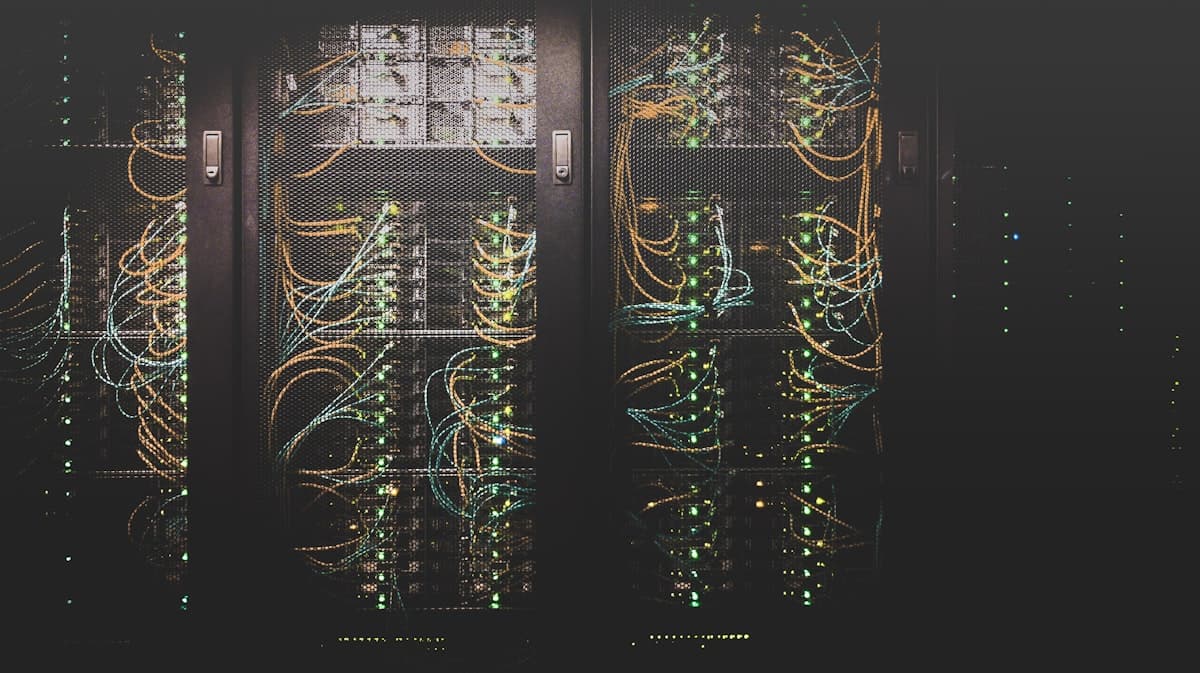
Facial recognition software usually runs in the cloud: webcams stream video over the internet to remote servers, where neural networks process identity and record attendance.
This setup is convenient for software vendors, but centralizing face data creates serious security and legal risks for companies.
1. The Cloud Biometric Risk
Centralized facial databases are high-value targets for attackers. If a cloud facial recognition provider gets breached, attackers don't just steal passwords that can be reset—they steal permanent biometric data.
You can reset an API key or password, but you cannot change an employee's face.
Under privacy frameworks like GDPR (Article 9) and BIPA (Biometric Information Privacy Act), storing raw biometric images in cloud infrastructure carries strict statutory liability.
2. Client-Side Encrypted Local Vector Embedding Architecture
Facenox reverses this paradigm by enforcing 100% of neural inference and vector embedding on the local edge device (Electron desktop application o headless kiosk container).
[ Camera Stream ] ──► [ Local OpenCV Pipeline ] ──► [ ONNX Local Model ]
                                                            │
                                                            ▼
[ Local SQLite DB ] ◄── [ 512-d Encrypted Vector ] ◄────────┘
     (Encrypted)             (Raw Photo Discarded)
Step-by-Step Data Boundary Enforcement:
- Ephemeral RAM Frames: Camera frames (
1920x1080 RGB) are captured into volatile memory, processed through face detection bounding boxes, and immediately purged from RAM upon vector extraction. No image files (JPEG, PNG) are ever written to disk storage. - 512-Dimensional Floating-Point Vectorization: Facial landmarks are converted into an anonymous 512-d float32 vector embedding:
# Extract normalized 512-d vector from face crop using ONNX Runtime
import onnxruntime as ort
import numpy as np

def extract_face_embedding(session: ort.InferenceSession, aligned_face: np.ndarray) -> np.ndarray:
    # Preprocess image frame (112x112 RGB, normalized to [-1, 1])
    blob = (aligned_face.astype(np.float32) - 127.5) / 128.0
    blob = np.transpose(blob, (2, 0, 1))
    blob = np.expand_dims(blob, axis=0)

    # Execute ONNX edge inference
    input_name = session.get_inputs()[0].name
    embedding = session.run(None, {input_name: blob})[0][0]

    # L2 Normalization to unit length
    norm = np.linalg.norm(embedding)
    return (embedding / norm).astype(np.float32)
- AES-256-GCM On-Device Encryption: Vectors are encrypted before insertion into SQLite using hardware-backed OS keys (Windows DPAPI, macOS Keychain, Linux Secret Service):
// Encrypt 512-d vector before storing in local SQLite DB
import { createCipheriv, randomBytes } from "node:crypto"

export function encryptVector(
  vectorBuffer: Buffer,
  key: Buffer,
): { ciphertext: string; iv: string; tag: string } {
  const iv = randomBytes(12)
  const cipher = createCipheriv("aes-256-gcm", key, iv)
  const encrypted = Buffer.concat([cipher.update(vectorBuffer), cipher.final()])

  return {
    ciphertext: encrypted.toString("hex"),
    iv: iv.toString("hex"),
    tag: cipher.getAuthTag().toString("hex"),
  }
}
3. Fault-Tolerant Network Resiliency
Industrial facilities, construction sites, and remote retail branches frequently experience network drops. Cloud-dependent attendance kiosks fail o queue indefinitely during internet outages.
With Facenox's Local-First Architecture:
| Metric | Cloud Kiosk Competitor | Facenox Edge Kiosk |
|---|---|---|
| Clock-In Latency | 800ms - 2,500ms (RTT dependent) | < 45ms (Zero network hop) |
| Network Outage Behavior | Kiosk locks down o drops logs | 100% operational (SQLite WAL mode) |
| Data Breach Surface | Centralized S3 bucket | Air-gapped local hardware key |
| Bandwidth Consumption | ~500 MB/hour video stream | 0 KB (Only telemetry batch on sync) |
Logs are recorded instantly in local WAL-mode SQLite databases. When network connectivity is restored, the optional Remote Sync daemon pushes encrypted sync payloads via HTTP/2 background heartbeats.
Conclusion
By enforcing a Local-First Data Boundary, organization privacy is protected by cryptography and mathematics—not empty privacy policy promises.
Related Technical Deep Dives
View All →Sub-10ms Vector Search Over 100,000 Embeddings in Local SQLite
How Facenox executes high-density 512-dimensional vector similarity matching in SQLite without cloud vector databases like Pinecone or Milvus.
Comparing Cloud vs. Edge Architecture for Biometric Attendance
An architectural comparison of cloud vs. offline edge face recognition, hardware costs, latency, and data privacy compliance for growing enterprises.
Stay Ahead of Biometric & Privacy Vulnerabilities
Get monthly technical deep dives on local face recognition, anti-spoofing benchmarks, and open-source workforce architecture. No spam. Unsubscribe anytime.
Experience Zero-Trust Biometrics
Download the free open-source desktop app or start managing multiple branches with our Remote Cloud.